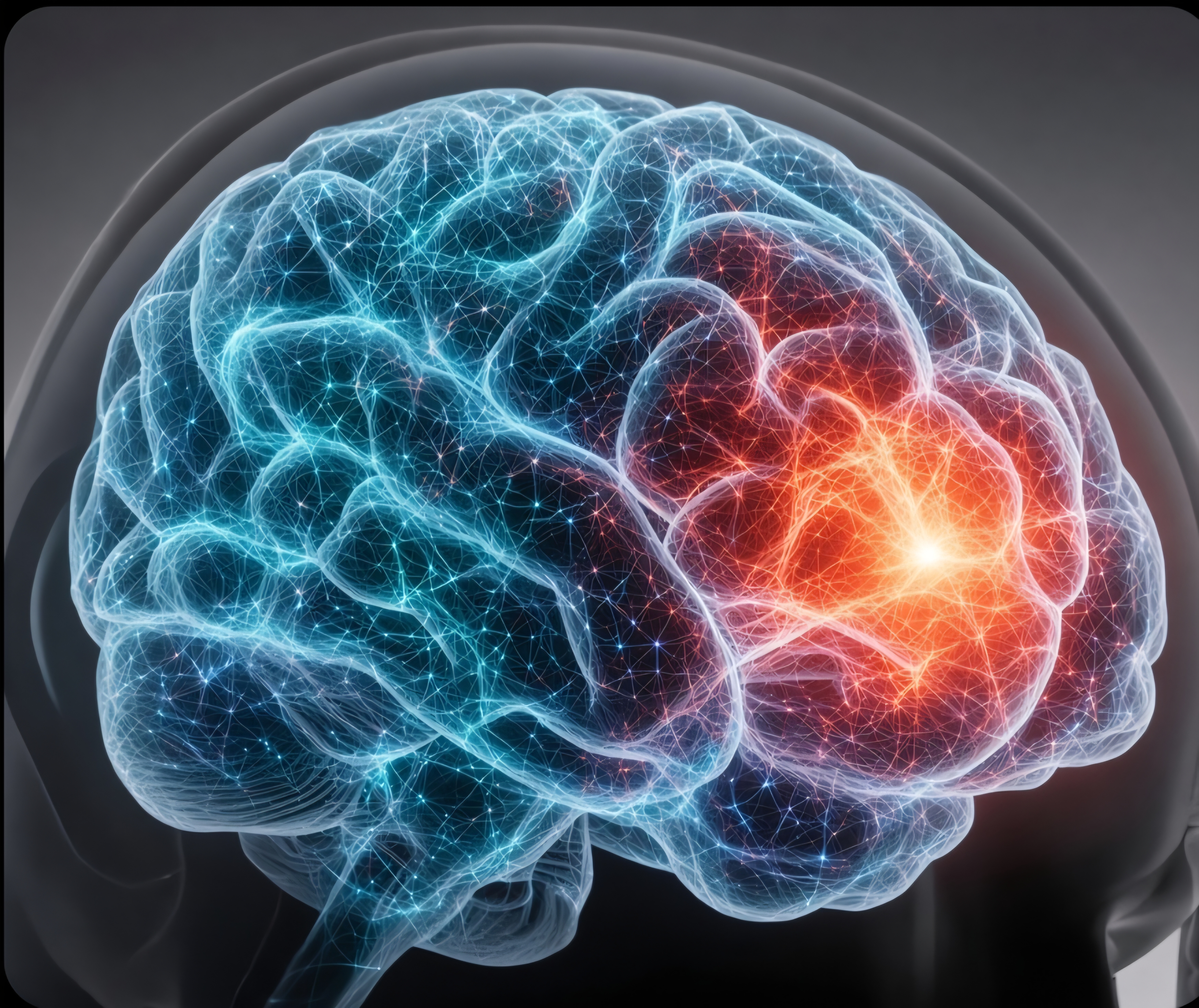
Secure neural connectivity, designed around human agency.
PCYLINK™ is a preclinical-stage company developing a privacy-first neural device mesh for people and the devices they rely on. The work ahead is a validation roadmap from thesis to evidence.
Preclinical research and engineering
Disciplined framing — thesis first, evidence next.
Milestone-driven path to evidence
In silico → organ-on-chip → preclinical gates → human pathway only after gates are met.
Security and agency at every layer
Neurodata treated as an encrypted personal asset. Networking isolated from life-support functions.
The interface should disappear.
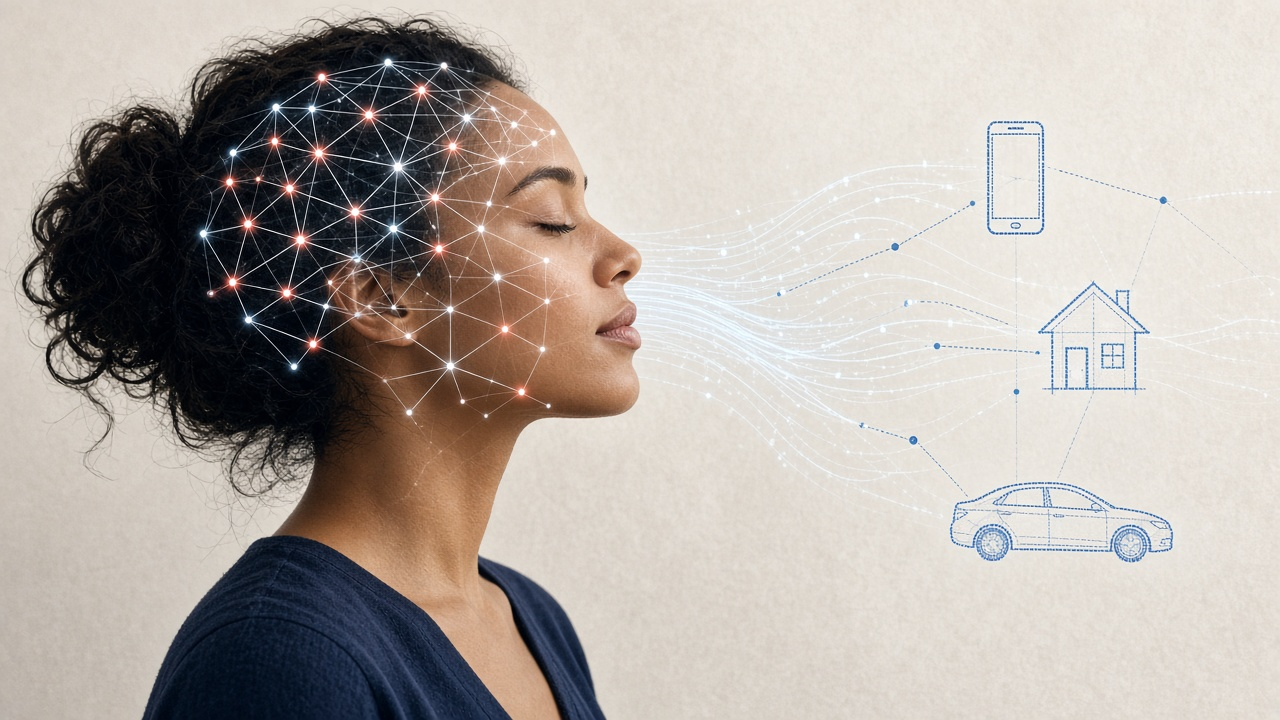
Familiar endpoints — phone, PC, home, vehicle — without crude implants or external charging packs. Same-day outpatient design intent: link neural architecture to a secure device mesh while keeping the person in control.
What we’re building
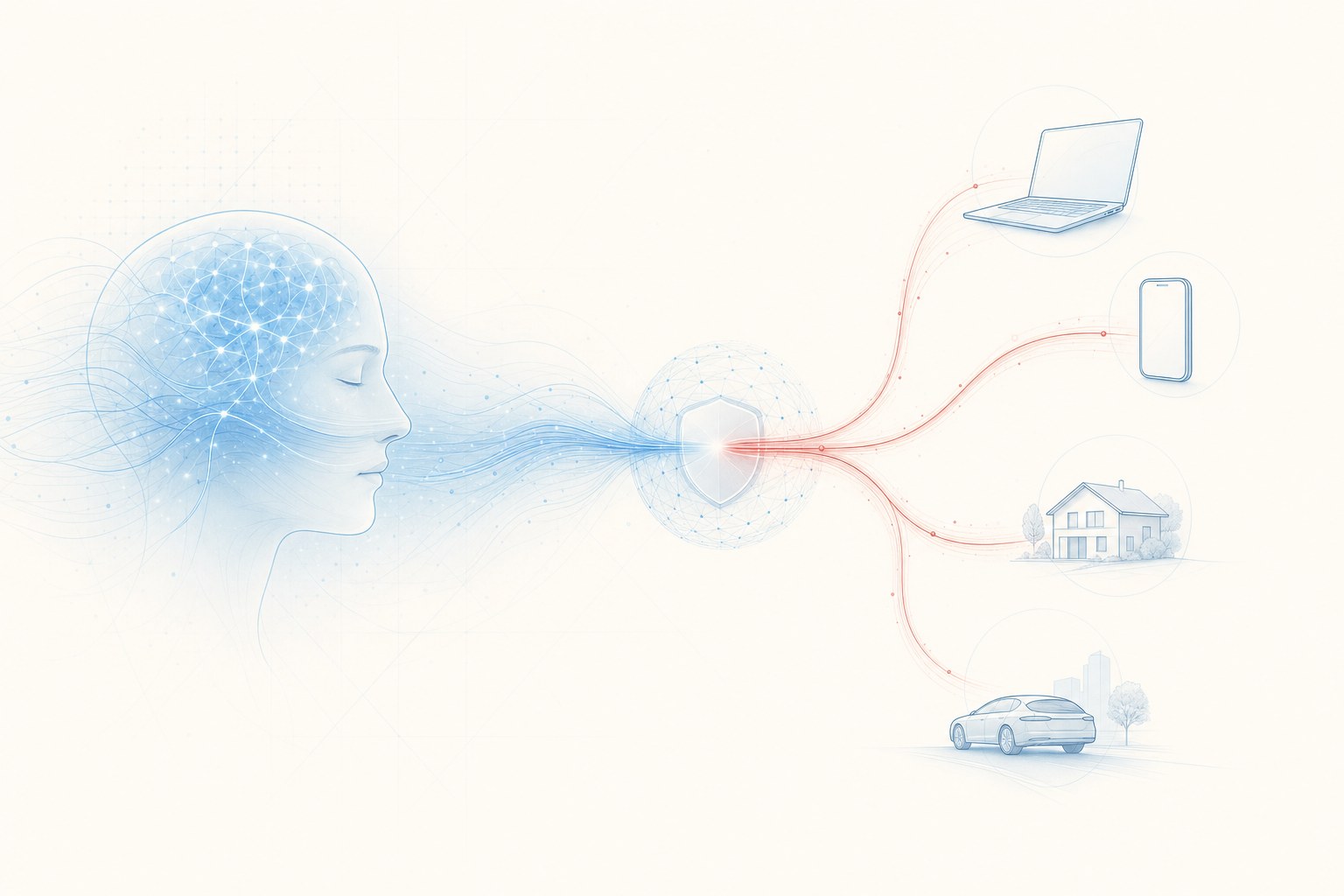
A minimally invasive Brain-Computer Interface: Nanostructure Injection establishing an Interlinking Node Array (INA), powered by bio-geobattery catalysis from cerebrospinal fluid, secured with AES-256 and Neural-Ephemeral Key Exchange (NEKE).
Validation path
Model first
Model catalyst behaviour, resonance, and the proposed security layer.
Stress-test
Stress-test proposed power and encapsulation concepts.
Evaluate
Evaluate anchoring, migration, and metabolic coupling.
Only after gates
Advance only after preclinical gates are met.
Independence when hands or voice are unavailable
Assistive thesis for people living with ALS, spinal cord injury, paralysis, or locked-in syndromes: dignity-preserving communication and device control — messaging, browsing, home / IoT — without relying on fatigue-heavy switch scanning or eye-gaze alone. Caregiver burden and outpatient access matter as much as raw bit-rate.
Communication & control
Intent-speed pathways toward messaging, screens, and assistive device control when motor pathways fail.
Outpatient vs. surgery barrier
Designed around a minimally invasive release model — contrasting with invasive implant + long recovery pathways that limit access.
Independence & caregivers
Digital independence at home — reducing friction for users and those who support them.
Core technology
Nanostructure Injection
Proprietary delivery via the brainstem establishes an Interlinking Node Array (INA) across key cortical areas — designed for outpatient release.
Bio-geobattery power
Proprietary catalysis generates electrochemical energy from cerebrospinal fluid, keeping the link active without external charging.
Secure device mesh
High-bandwidth, low-latency connectivity that treats the brain as a primary node across phones, PCs, vehicles, and home / IoT.
AES-256 + NEKE
Every handshake between brain and device mesh is unique and user-authenticated. Neurodata stays an encrypted personal asset.
Isolated networking
Networking functions are isolated from biological life-support functions to help protect autonomy at the hardware layer.
Kean A. Morton
Founder-led deep-tech neurotechnology. Building PCYLINK as a disciplined preclinical-stage company — privacy-first, human-agency-first — with an assistive path for independence when hands or voice are unavailable.